A reverse mortgage is a specialized financial tool for homeowners age 62 and older that converts a portion of accumulated home equity into cash.
Unlike a forward mortgage, the borrower is not required to make monthly principal and interest payments; instead, the loan balance is repaid when the home is sold or the borrower passes away.
Reverse mortgages are an increasingly popular financial tool for seniors looking to unlock some of the equity accumulated in their homes. If you’re considering a reverse mortgage, you likely have questions about how it works, its features, and the potential risks involved.
Over the next few minutes, let’s break it down so you may have a clearer understanding of whether a reverse mortgage may be right for you.
To determine your potential reverse mortgage benefit amount, all borrowers must meet the following qualification requirements. We strongly recommend using our quick estimator tool below to assess your current eligibility.
Once you qualify for a reverse mortgage, the funds you receive are generally based on your age, the current interest rate, and your home’s appraised value. Unlike traditional loans, the lender pays you, but you must select how you want to receive your funds.
Important Homeowner Obligations: While you are not required to make monthly mortgage payments, you are still responsible for paying all property taxes, homeowners’ insurance premiums, and maintaining the home as your primary residence. Failure to meet these obligations can result in loan default.
Unlike traditional mortgages, a reverse mortgage loan does not require repayment until a specific triggering event occurs. The loan balance, which includes the amount borrowed plus accrued interest and fees, becomes due and payable when the last surviving borrower or eligible non-borrowing spouse:

A reverse mortgage offers several unique financial benefits, particularly for seniors seeking greater liquidity and control over their assets in retirement.

While a reverse mortgage offers significant benefits, it is a complex financial product with serious potential drawbacks that must be fully understood before signing. These risks are essential considerations for the borrower and their heirs.
The below is for illustrative purposes only and similar results cannot be guaranteed.
Let’s look at an example:
Jane, age 72, owns her home outright, worth $500,000. She opts for a line of credit of $250,000, using it to cover medical expenses and home improvements. Over the years, the loan balance grows to $350,000. When Jane passes away at 80, her heirs sell the home for $550,000. After repaying the loan, they keep $200,000 in equity.
Jane was able to stay in her home, use her home equity as needed, and leave her heirs with remaining equity.
Use our free, eligibility calculator to see your estimated loan amount.

Corporate Headquarters





HighTechLending Inc, doing business as American Senior Lending is an Equal Housing Lender, NMLS ID #7147 (www.nmlsconsumeraccess.org).
2030 Main Street, Suite #500, Irvine, CA 92614.

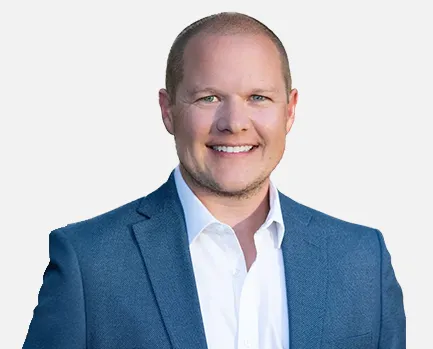
Eric is a distinguished leader in the mortgage industry, with over 22 years of experience and 16 years focused on reverse mortgages for seniors. As Vice President of Consumer Direct at Reverse Mortgage Funding (RMF), he built and led a top-performing sales team of 90+ mortgage loan officers, securing RMF’s position as a top three lender and servicer monthly. Simultaneously, he co-led a retail team of 125+ outside originators, further expanding RMF’s market dominance.
Before RMF, Eric propelled Liberty Reverse Mortgage (formerly Genworth Financial) to the number one reverse mortgage retail lender in the nation by establishing a 100+ employee call center and managing 90+ nationwide loan originators.
Eric plays a pivotal role in marketing, enhancing referral partnerships, direct-to-consumer initiatives, and wholesale efforts through his leadership. His success is driven by data and performance tracking. Licensed in 11 states and a California Department of Real Estate Broker, Eric’s proven track record of leadership and innovation is poised to attract significant investment opportunities.